


Property development and construction in Spain, inside the team that invests
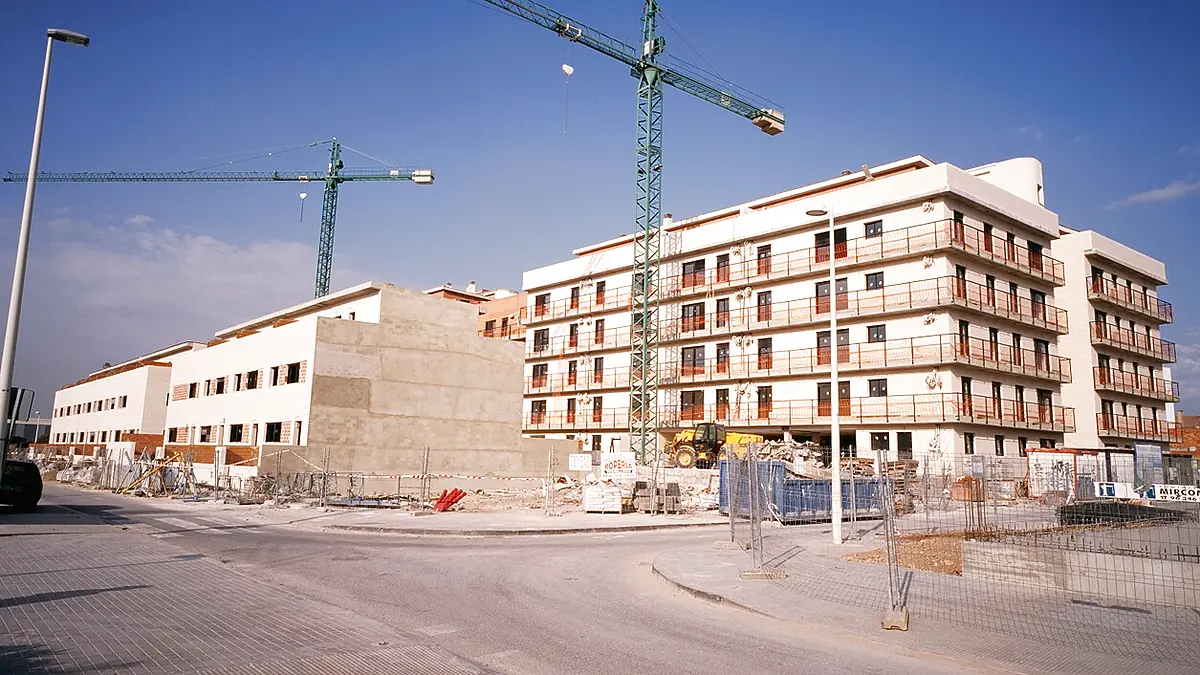
Construction at NEXEVO is not an outsourced service. It is one more phase of the same project that gets analysed, structured and sold, with in-house site management.
What the construction phase covers
We Build, within the NEXEVO cycle, is construction and project management. It is not subcontracted to a different company from the one that analysed the deal.
- Site management.
- Cost and schedule control.
- Compliance with permits and current regulations.
- Coordination of trades and quality control at every phase.
- Certificates and sign-offs recorded in the project portal.
Every closed phase leaves its documentation behind, and the investor reads it whenever they want from their private project portal.
How the works fit into the rest of the project
The investor takes part without running day-to-day operations. NEXEVO analyses the opportunity, structures the capital and executes: permits, design, construction and site management, then sales and handover.
Before building
Feasibility analysis, capital structuring, permits, paperwork, design and planning.
During the works
Construction and project management by the same team that ran the analysis.
After handover
Sales and delivery. On selected projects, tokenisation under the European MiCA framework.
The building permit is not a separate errand
A new-build housing project is always major works: it requires a technical project visaed by the professional association and formal site management. No visaed project, no permit. No permit, no works.
Processing depends on the municipality. Deadlines, required paperwork and what the town hall charges all change. That is why a NEXEVO feasibility study includes the cost and calendar of the permit for that specific municipality, not a national average.
- Visaed technical project. Drafted and visaed before applying.
- Major works permit. With its municipal fee and its construction tax.
- Site management. Mandatory throughout the works.
- First occupancy licence. On completion, before handover.
Foreign buyers can build in Spain on the same terms. What you need before signing anything is a NIE, the Spanish foreigner tax number.
How much new build is being permitted in Spain
In 2025, permits were issued for 139,016 new homes in Spain, 8.8% more than the previous year, according to the building permit statistics of the Spanish Ministry of Housing.
A permit is not a building. Between the permit and the handover come licensing, financing, contracting and execution, and that is the stretch where projects slip or stall. That is where NEXEVO works.
100,000+ m² of built floor area
That is the floor area the team has built to date, across residential development and construction projects. Four phases, one contract, one accountable team.
This is not hiring a separate builder
Most companies in the sector cover only part of the process: investment, brokerage, development or construction. NEXEVO takes responsibility for the full cycle with the same team, and reports progress through a private portal.
If what you want is to buy a flat, refurbish it and sell it within months, that is flipping, not development. If the works have already stopped, the route is to restart them, not to begin a new project.
Permits and construction, answered
Two separate items: a processing fee and the ICIO, the tax on construction works. The ICIO is calculated on the material execution budget and national law caps the rate at 4%; each town hall sets its own rate by local ordinance, so the figure changes from one municipality to another. NEXEVO calculates both items against the actual local ordinance as part of each project’s feasibility study.
Yes. EU and non-EU nationals can buy land and build in Spain. You need a NIE, the Spanish foreigner tax number, before signing anything. The building process itself is the same as for a Spanish resident: visaed technical project, building permit, site management and first occupancy licence.
Major works affect the structure, the volume or the use of the building, and require a technical project visaed by the professional association plus formal site management. Minor works follow a shorter procedure or a responsible declaration, depending on the municipality. Building a new home is always major works.
It certifies that the finished building matches the project the permit was granted for and that it can be used as housing. Without it you cannot arrange permanent utility connections and handover gets complicated. It is applied for once the works are finished, with the final certificate signed by the site management team.
The developer drives the project: buys or contributes the land, structures the capital, handles permits and answers for the outcome. The construction company executes the works the developer commissions. At NEXEVO both roles sit in the same team, which is what stops the investor from having to coordinate two separate companies.
Is your case different? Talk to the team