

Real estate crowdfunding with real execution, not just token access
Real estate crowdfunding gives access to third-party projects. NEXEVO goes one step further: the same team that structures the investment is the one that executes the project, and tokenization under the MiCA framework is one more capability inside that process, not the central promise.
No commitment · We call you or write to you on WhatsApp.
What real estate crowdfunding is
Real estate crowdfunding is the formula by which several investors put smaller amounts into the same property project, through a platform that puts them in contact with the developer. Each one takes a fraction of the operation instead of buying the whole property.
In the usual model there are two different companies: the one that raises the money and the one that builds. The investor signs with the first and depends on the second, with no direct relationship to it. When the works are delayed, the platform reports what it is told.
Where the difference with a crowdfunding platform sits
It is not in the entry amount or in the technology. It is in how many companies sit between your money and the site.
| NEXEVO | Crowdfunding platform | |
|---|---|---|
| Who structures the operation | NEXEVO | The platform |
| Who executes the works | The same team | An external developer |
| Site management | In-house | Subcontracted by the developer |
| Progress tracking | Private portal, with milestones and documentation | A periodic report from the platform |
| Who you claim against if there is a delay | The same team that builds | The platform, which then asks the developer |
What tokenization means at NEXEVO
A mechanism applied to selected projects, within the European MiCA framework and applicable regulation. It adds traceability to the project. It is not a promise of return, and not the starting point of our offer. Carlos Celorrio González takes part as Advisor to the team in this capability, without being solely responsible for the service.
What gets tokenized are the economic rights, not the flat.
Traceability
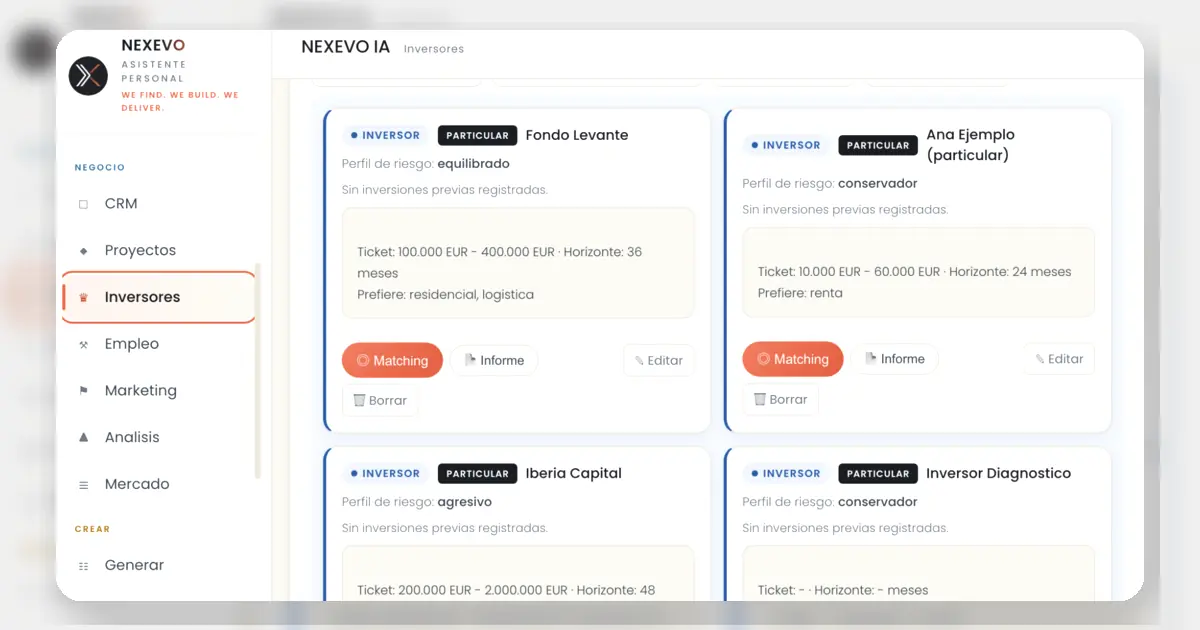
Project status is checked in a private portal, not in a quarterly summary.
One executor
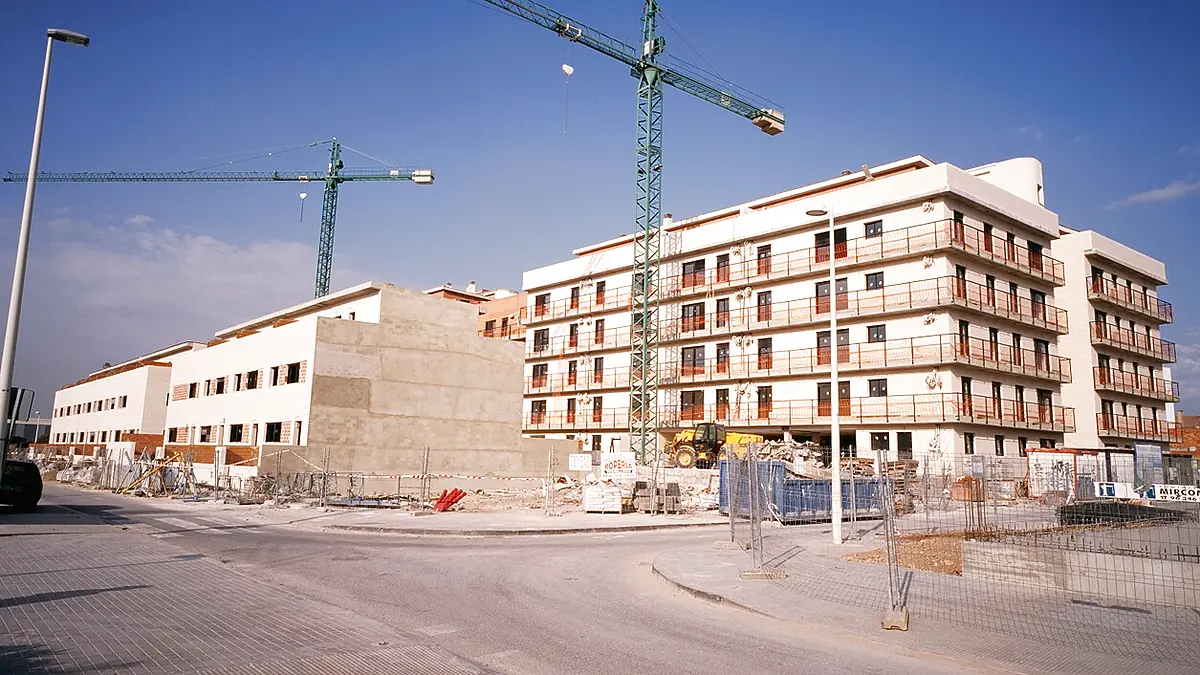
The team that structures the operation is the one that takes it to site and delivers it.
No fragmented intermediation
There is not one company raising the investment and a different one doing the building.
The difference versus traditional crowdfunding
Real estate crowdfunding gives access to third-party projects in exchange for a contribution. NEXEVO goes further: the same team that structures the investment executes the project start to finish. Tokenization is one more capability inside that process, not the central promise.
On tokenized projects entry starts at 10,000 €. For direct entry into a development, the contribution starts at 100,000 €. Term and target conditions of each operation are set out on the investment page.
How investing with NEXEVO works · See how the project is tracked
Tokenization is applied to selected projects within the European MiCA framework and applicable regulation. This page is information about a service: it is not a public offer of investment, financial advice, or a promise of return.
Frequently asked questions
Real estate crowdfunding gives access to third-party projects in exchange for a contribution. We go further: the same team that structures the investment executes the project start to finish.
A mechanism applied to selected projects within the European MiCA framework, which adds traceability to the project. It is not a promise of return, and not the starting point of our offer.
What gets tokenized are the economic rights linked to the project, not the physical ownership of the property. The token represents a share in the result of the operation, not a title deed or a piece of the flat.
Entry starts at 10,000 € in tokenized projects, where participation is split into smaller parts. For direct entry into a development, the contribution starts at 100,000 €.
No, and it is not buying a cryptocurrency either. The token is linked to a specific property project, with its land, its licence and its works. The technology is used to record and trace participation, not as an asset in itself. The applicable framework is MiCA and current regulation.
The delay is visible in the portal as soon as it affects a milestone, with the site documentation behind it. And the answer comes from the same team that directs the works, not through an intermediary that then asks the developer.
Can’t find your case? Tell us about it